Where can you study law in Idaho?
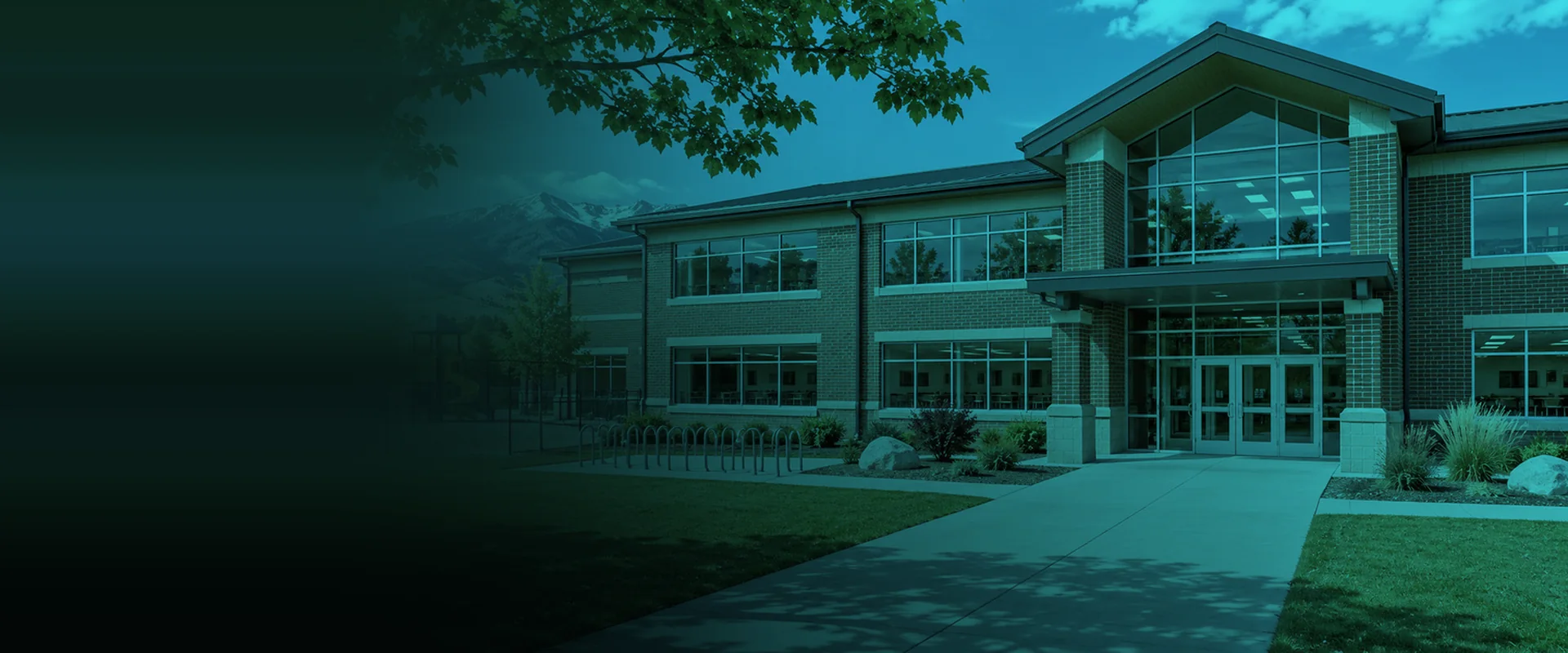
Idaho's only J.D. program is the University of Idaho College of Law, with campuses in Moscow and Boise. A J.D., or Juris Doctor, is the professional degree required for the usual path to becoming a lawyer. According to the University of Idaho, the school is accredited by the American Bar Association.
Each campus offers a distinct setting. Moscow is the university's main campus, while the Boise center places students in the state capital, near government agencies and law firms, the university says.
How Concordia's Boise law school closed and the building changed hands
Concordia University School of Law closed in 2020. The University of Idaho took in 110 former Concordia students that August, according to BoiseDev.
In 2021, the University of Idaho agreed to buy Concordia's former downtown campus, BoiseDev reported. Near the Capitol sits the building. Plans called for consolidating the university's Boise law programs there and increasing the entering class from about 60 students a year to 90.
University of Idaho President C. Scott Green told the State Board of Education, "Having taken on the student cohort from Concordia gave us a lot of insight to what the market is in the Treasure Valley."
What does admission to the University of Idaho law school take?
According to Atlas Legis, the University of Idaho College of Law's entering class of 2024–25 had a median LSAT score of 153. Its median undergraduate GPA was 3.54. The school's acceptance rate was 66.8%, according to Atlas Legis.
Those figures describe the middle applicant and overall admission rate. They do not guarantee admission. Applicants must submit applications through the Law School Admission Council's online service. The application opens after Labor Day, according to the College of Law.
Students considering Boise should compare the same admissions and cost disclosures as students considering Moscow. The university describes the two sites as locations of one college and one J.D. program, rather than separate law schools.
What does a law degree cost in Idaho?
According to Justia's University of Idaho College of Law profile, annual tuition and fees for 2025 were $27,516 for Idaho residents. Nonresidents paid $46,752. The profile lists living expenses at $20,000 for students living on or off campus.
| 2025 cost or aid measure | Amount |
|---|---|
| Idaho resident tuition and fees | $27,516 |
| Nonresident tuition and fees | $46,752 |
| Listed living expenses | $20,000 |
| Students receiving grants | 46% |
Residency makes a substantial difference in the cost comparison. On its law school page, the university also lists in-state rates, the Western Regional Graduate Program and a path to Idaho residency among its tuition options. A 46% grant figure does not indicate what an individual student will receive.
How well do University of Idaho graduates pass the bar?
Most law graduates must pass the bar exam to practice. The report covers 2025. Of 125 first-time takers from the University of Idaho College of Law, 94 passed. According to the school's 2026 ABA Bar Admission Report, the pass rate was 75.20%.
For the 2023 graduating class, the report gives a two-year ultimate bar admission rate of 79.66%. That measure counts graduates who passed a bar exam within two years of graduation. For the 2024 graduating class, the first-time pass rate was 68.38%. Outcomes changed across consecutive classes.
Of the 2025 graduates who took the Idaho bar exam, 70 of 86 passed. Their pass rate was 81.40%. According to the report, the statewide rate among graduates of Council-accredited law schools was 81.58%. First-attempt rates and two-year rates measure different points in the licensing process.
Where do Idaho law graduates find work?
For the University of Idaho's class of 2025, 83.9% of graduates held full-time, long-term jobs requiring bar passage, according to Atlas Legis. This category identifies work requiring a law license. It does not show how many graduates stayed in Idaho.
A separate employment profile from LawHub says 61.3% of the 2025 class took jobs in Idaho. Another 5.8% went to Washington. A further 4.4% went to Utah. LawHub lists 35% in public service and 24.8% at small law firms.
| Class of 2025 measure | Share |
|---|---|
| Full-time, long-term bar-required jobs | 83.9% |
| Jobs in Idaho | 61.3% |
| Public service | 35% |
| Small law firms | 24.8% |
For Idaho employers, graduate placement and the state's two campuses sit in the same frame. Government offices, firms and businesses hire from the graduating pool. Small firms employed nearly a quarter of the class. The Idaho placement figure shows where graduates took jobs, while the bar-required figure describes the type and duration of work.